
Air conditioning repairs and servicing
Faults, leaks and annual servicing for home and business systems, from local engineers.
 Free, no obligation
Standard or pre-charged systems
Free, no obligation
Standard or pre-charged systems
Most air conditioning problems come from dirty filters, blocked drains, airflow problems or refrigerant leaks. You can clean the filters and keep the outdoor unit clear yourself, but refrigerant and electrical work needs an engineer, and on standard systems refrigerant work must be done by an F-Gas certified engineer. Most manufacturers recommend a service once a year.
Signs your air conditioning needs attention
 Not cooling or heating properly
Dirty filters, a blocked outdoor coil or low refrigerant from a leak.
 Water dripping indoors
A blocked or badly falling condensate drain, or a failed drain pump.
 New noises or smells
Dirty coils, a failing fan or debris in the outdoor unit.
 Error codes or tripping
Electrical faults, sensors or the control board.
 Ice on the pipes or outdoor unit
Often low airflow or low refrigerant.
 Short cycling
Turning on and off often, which can mean a sizing, sensor or refrigerant issue.
What you can do yourself
- Clean or rinse the indoor filters every few weeks in heavy use, following the manual
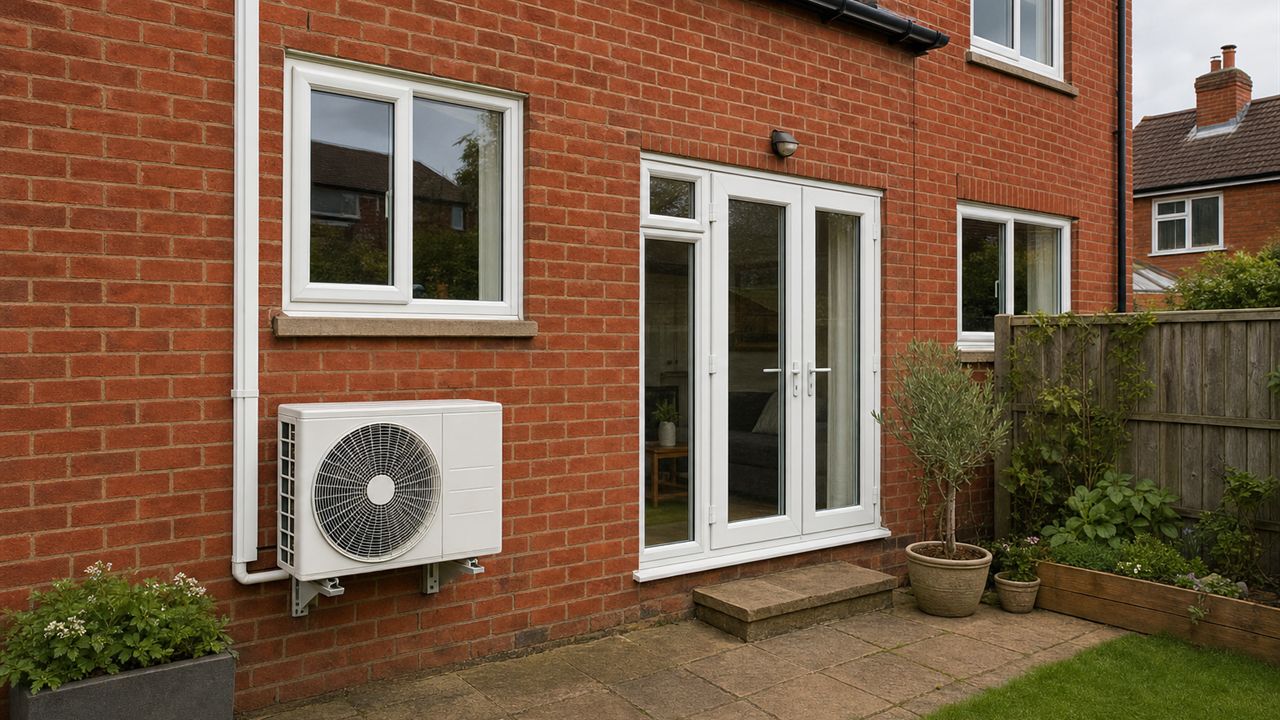
- Keep the outdoor unit clear of leaves, plants and stored items
- Check the drain outlet is not blocked
- Check the remote batteries and settings before calling someone out
What needs an engineer
- Anything involving the refrigerant, such as leaks or recharging. On standard systems this needs an F-Gas certified engineer.
- Electrical faults and error codes
- Deep cleaning of coils and fans
- Annual servicing to keep the manufacturer's warranty valid
What a service usually includes
Filters, coils and fans cleaned
Condensate drain checked and cleared
Refrigerant circuit checked for signs of leaks
Electrical connections and controls checked
Performance measured, with a report of anything that needs attention
Three steps to your quotes
Tell us about your rooms
Home or business, how many rooms and the system type you would like.
We match local installers
Only installers who cover your postcode and fit your system type.
Compare your quotes
Weigh up prices, equipment and warranties, then choose, if you want to.
Air conditioning terms explained
Split system
An air conditioner with an indoor unit in the room and an outdoor unit outside, joined by refrigerant pipes and a cable.
kW and BTU
Units of cooling or heating output. 1 kW is about 3,412 BTU per hour. Units are sold in sizes such as 2.5 kW (9,000 BTU) and 3.5 kW (12,000 BTU).
Inverter
A compressor that speeds up and slows down to hold the temperature, rather than switching fully on and off. Quieter and more efficient.
SEER and SCOP
Seasonal efficiency ratings for cooling (SEER) and heating (SCOP). Higher numbers mean less electricity for the same comfort.
F-Gas certification
The qualification needed to install and work on equipment containing fluorinated refrigerants, which most standard systems use.
Pre-charged system
A split system sealed at the factory with a non-fluorinated refrigerant and a pre-flared pipe kit, so a typical install needs no F-Gas engineer.
Multi-split
One outdoor unit serving two or more indoor units in different rooms.
Condensate
Water removed from the air while cooling, carried outside by a drain pipe or pump.
Air-to-air heat pump
Another name for a reversible air conditioner: it moves heat from outside air into the room in winter.
Repairs and servicing: common questions
How often should air conditioning be serviced?
Most manufacturers recommend once a year, and it is often a condition of the warranty. Busy commercial systems may need more frequent visits.
Who can repair a refrigerant leak?
On standard systems, work on the refrigerant circuit must be done by an F-Gas certified engineer. On pre-charged systems, any refrigerant work should be done by a qualified technician.
Why is my air conditioner leaking water inside?
Usually a blocked or badly sloped condensate drain, or a failed drain pump. Switch it off and ask an engineer to check.
Is it worth repairing an old system?
It depends on the age, the fault and the refrigerant. An engineer can tell you whether a repair or replacement makes more sense.
How do I get quotes?
Enter your postcode and choose repair or servicing. Local engineers then send their quotes.
General information only, not technical, legal or planning advice. Installers confirm system size, siting and any permissions for your property. Updated October 2026.
Sources: The Fluorinated Greenhouse Gases Regulations (GB) and GOV.UK guidance on F-gas; Approved Document P (electrical safety) and the Building Regulations for England and Wales; the Energy Performance of Buildings Regulations (air conditioning inspections); manufacturer installation guidance for split systems.